- Gold Au $3930.20 $-18.06
- Silver Ag $49.97 $-0.94
- Platinum Pt $1429.30 $-23.59
- Palladium Pd $942.00 $-29.26
Assaying Metals
X‑ray fluorescence
What is it,
and how much of it.
Sovereign Gold & Silver Exchange determines the metals in an item and the percentage of each. State of the art x‑ray fluorescence analysis, without marking the piece.
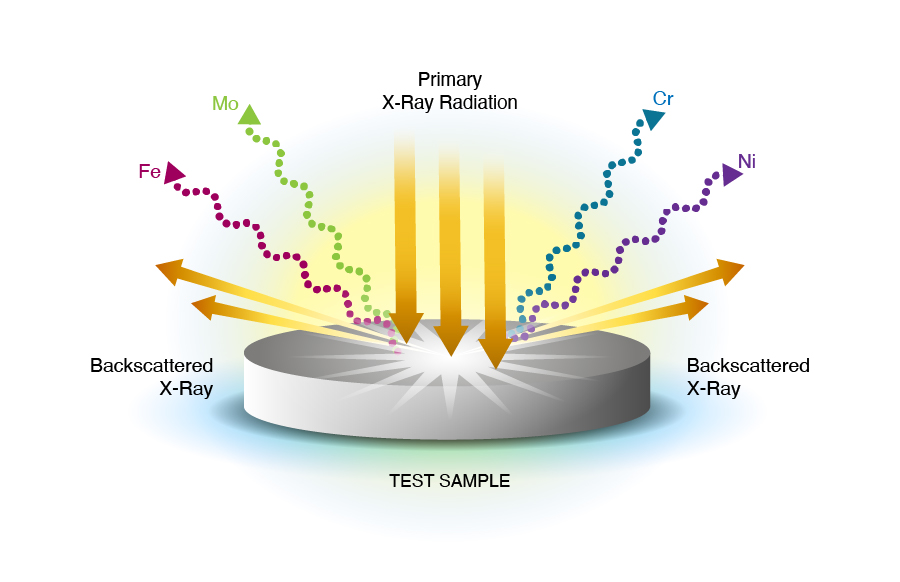
We identify elements across 26 different metals, including gold, silver, platinum, palladium, copper, zinc, nickel, cadmium, iron, manganese and lead. Whether you are buying or selling, want to understand the value of a piece of jewelry, or need to validate the content of something you have found or had manufactured, we can give you an accurate assessment of the metal content.
We cannot assay rocks that you believe contain precious metals, unless there are visible and larger sections of metal in them. For cadmium or lead testing, our x‑ray fluorescence is the same method state agencies use on toys and other goods — but we are not a licensed cadmium or lead tester and cannot provide official documentation.
Rates
Assaying & melt services
- Existing-bar assay & full report $50
- Melt, XRF assay & stamping $125–$200
Melt-only services
These are separate melt-only rates, not automatic surcharges on the combined melt, XRF assay and stamping package.
- Small lot: up to and including 100 g $75
- Large lot: over 100 g $125+
- Additional bars per pour $25 each
Rates exclude shipping, should you send an item in and want it returned. Call for details on returning a sample when you are not present for the test.
Testing methods
How we test
Our melt-and-XRF process and Sigma Metalytics verification provide different, complementary information about precious metals.
Melt, XRF assay & stamping
We melt precious metals into an ingot, test all six sides using XRF, and calculate the average of those readings. We stamp the primary precious metal, weight and XRF-measured purity, with “XRF” stamped underneath.
Sigma Metalytics verification
Sigma verification checks whether an eligible coin or bar’s electrical resistivity is consistent with the expected metal or alloy. It is a non-destructive complement to XRF.
Reference
Metal identification
Base metals
In mining and economics, base metals are the industrial non-ferrous metals, excluding the precious ones: copper, lead, nickel and zinc.
US Customs and Border Protection is more inclusive. Its definition adds iron and steel, aluminium, tin, tungsten, molybdenum, tantalum, cobalt, bismuth, cadmium, titanium, zirconium, antimony, manganese, beryllium, chromium, germanium, vanadium, gallium, hafnium, indium, niobium, rhenium and thallium.
Precious metals
A precious metal is a rare, naturally occurring metallic element of high economic value. Chemically they are less reactive than most elements, usually ductile, and carry a high lustre.
Historically they served as currency. Today they are held mainly as investment and industrial commodities. The best known are gold and silver; the platinum group adds ruthenium, rhodium, palladium, osmium, iridium and platinum, of which platinum is the most widely traded.
